
Shërbimi klientit: (+355) 69 655 3558
Currency



- Choosing a selection results in a full page refresh.
1. Excellent source of vegetable protein
Legumes contain protein with essential amino acids and complex carbohydrates. For example, 1 cup of cooked lentils contains 16% of the daily requirement of potassium.
2. Full of fiber and digestive benefits
They are rich in fiber—both soluble and insoluble—which helps with bowel movements and lowers cholesterol.
3. Heart support
By consuming legumes regularly, you can reduce your risk of heart disease (by up to 38%) – thanks to fiber, protein, and anti-inflammatory/antioxidant compounds.
4. Glycemic stabilization and protection against diabetes
Low-glycemic starches and prebiotic ingredients help stabilize blood sugar and improve insulin sensitivity
5. Antioxidants and anti-inflammatory
They contain selenium, potassium, copper and fatty acids that fight oxidative stress and reduce inflammation - supported by medical studies .
6. Protection against certain types of cancer
Studies show that starting to consume legumes at a young age—thanks to isoflavones and other compounds—can reduce the risk of breast and prostate cancer.
7. Strengthening bones, especially in postmenopausal women
Isoflavones in legumes help maintain bone density and reduce the risk of osteoporosis.
1. Nitrogen fixation and sustainable agriculture
Legumes help to naturally fix nitrogen in the soil (through symbiosis with Rhizobium bacteria), reducing the need for nitrogen fertilizers and CO₂ emissions.
2. Resistance to poor soil and preservation of biodiversity
They grow well even in low-nutrient soils, improve soil structure and health, and support crop rotation without conventional chemicals.
No pesticides, hormones or antibiotics – grown naturally and without synthetic chemicals
Cleaner and more nutritious – they contain higher levels of vitamins, minerals and antioxidants .
They improve taste and food safety – for a more authentic flavor and no contamination concerns .
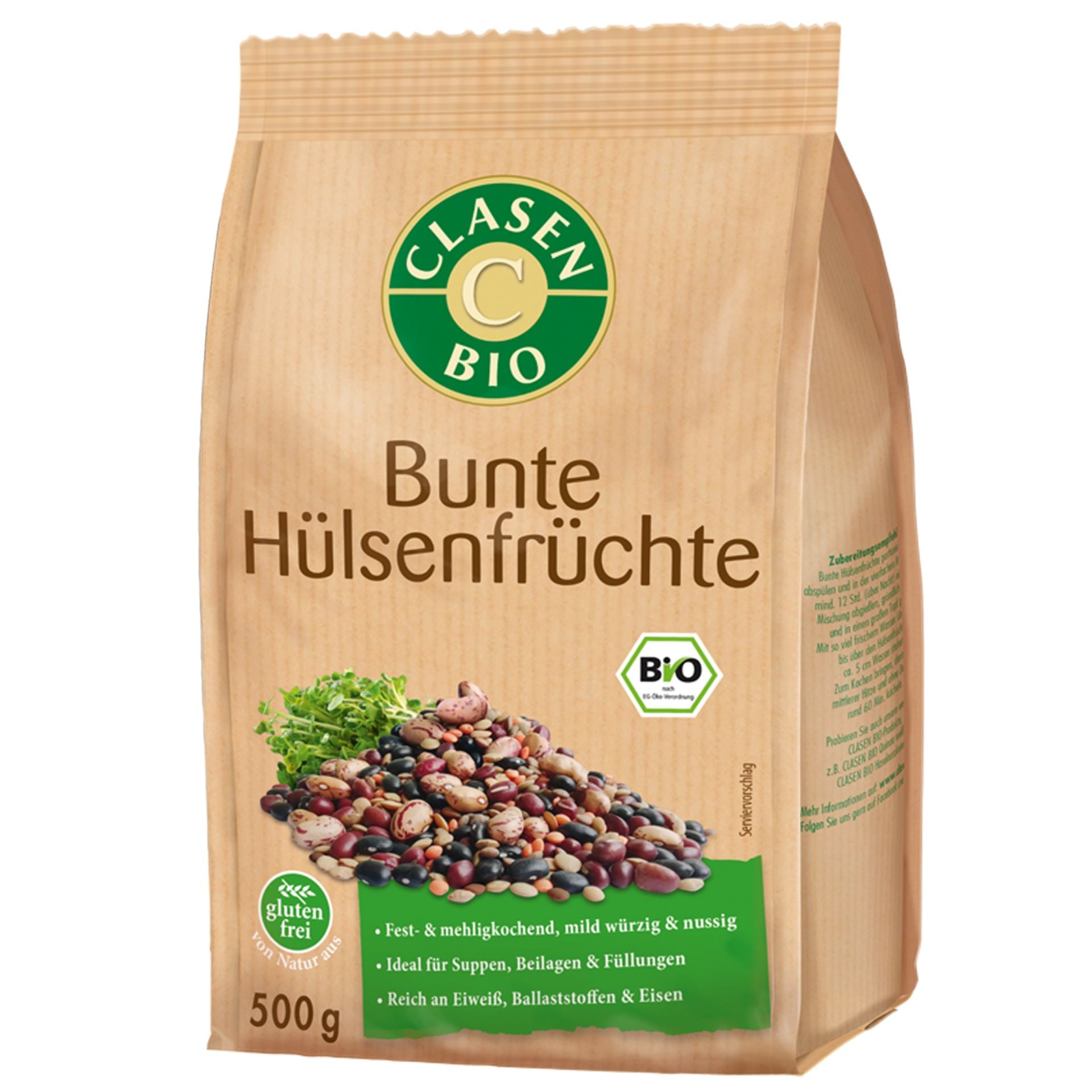
The Classen Bio firm (like “7 Springs Bio Farm”) probably produces legumes in a similar way – in high fields, without chemicals, growing freely in nature and certified organic. This can translate into integrated benefits such as:
Higher micronutrient content.
Good natural taste.
The entire ecosystem is well-rounded: medicinal herbs, clean water, biodiversity.
Look at the label: organic certification (EU, NOP, ICEA, etc.).
Use in salads, soups, main courses - to benefit from protein, fiber, and minerals.
Combine with grains like corn or rice to get a complete protein.
Let them soak for 8–12 hours to improve digestion and reduce antinutrients.
Summary:
The colorful organic legumes produced by Classen Bio offer numerous health benefits (protein, fiber, antioxidants, cardiovascular and anti-cancer protection) and are good for the environment (nitrogen fixation, biodiversity). Growing them organically ensures a cleaner and more nutritious food.
Couldn't load pickup availability
Thanks for subscribing!
This email has been registered!
| Product | SKU | Description | Collection | Availability | Product type | Other details |
|---|